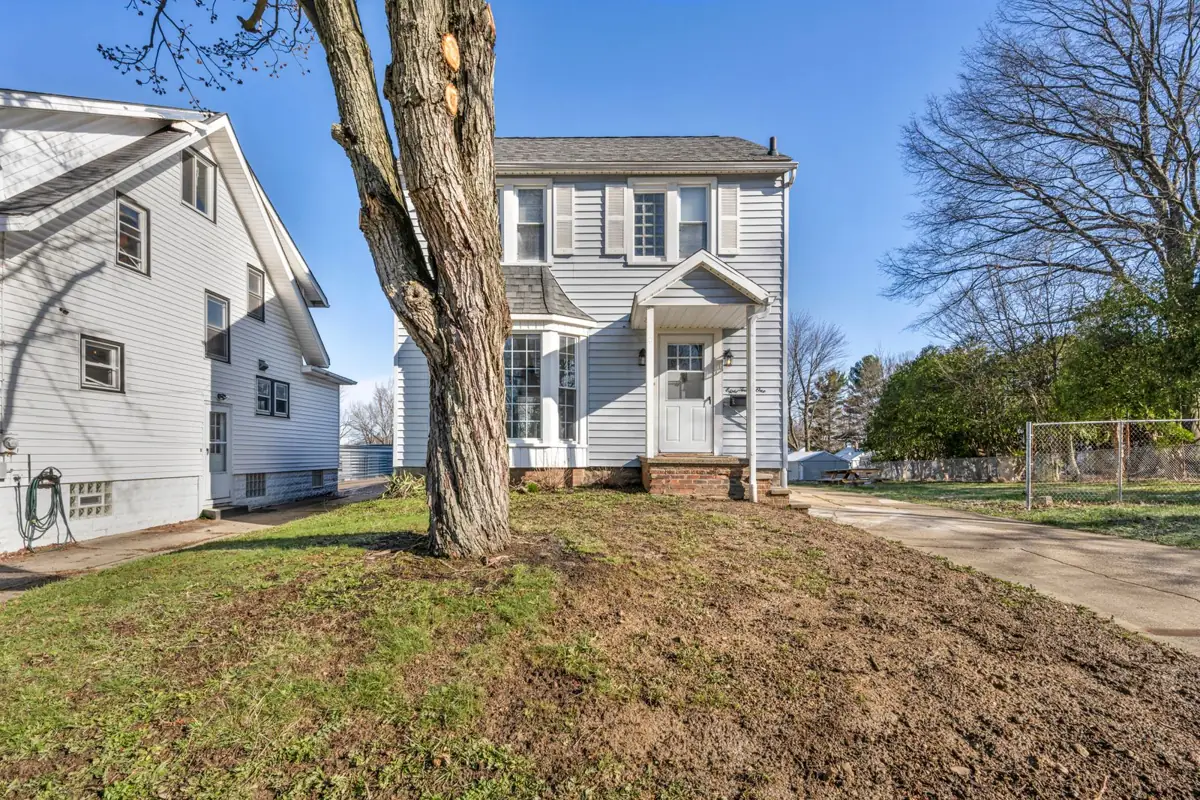
Warren is the Trumbull County seat, with the Trumbull County Courthouse downtown and the Mahoning River running through the city. Its neighborhoods span more than a century of construction, from nineteenth and early twentieth century homes near downtown and along tree-lined historic streets to postwar subdivisions on the outskirts. That variety means basement problems in Warren are just as varied.
Older Warren homes
Houses near downtown and in the older neighborhoods often have stone or brick foundations, sometimes with sections added in block over the years. These basements frequently show:
- Damp walls with sandy, crumbling mortar.
- Water at joints where an original foundation meets an addition.
- Rust and leaks at old steel basement windows.
- A failed clay tile footing drain that no longer carries water away.
Repointing with compatible mortar, interior drainage, and surface water corrections are typical tools for these homes. The foundation wall leak repair page explains the options.
Postwar and newer homes
Homes built after World War II in Warren and nearby areas usually have concrete block foundations. Block walls often leak at the bottom course, along mortar joints and through stair-step cracks. Water fills the hollow cores and drains out at the cove joint. Interior drainage with weep holes and a sump pump is a common solution, along with checking grading and gutters.
The river and low ground
The Mahoning River and its floodplain run through parts of the city, and a few neighborhoods sit on low ground. For homes near the river, groundwater levels can rise during long wet periods, and some properties may fall within mapped flood zones. Basement waterproofing helps with seepage and groundwater, but it cannot stop surface floodwater from a river. If your property is near the river, check FEMA flood maps and talk with your insurance agent about flood coverage alongside any waterproofing work.
Clay soils and slow drainage
Most of Warren sits on glacial till with a high clay content. Clay holds water after rain and snowmelt, and it expands when wet and shrinks when dry. That movement, plus frost in winter, puts pressure on foundation walls. Watch for horizontal cracks or bowing in block walls, which should be evaluated by a foundation professional rather than simply sealed.
Spring thaw is peak season
Snow that builds up through a Trumbull County winter often melts quickly in March. When the ground is still frozen, that water cannot soak in, so it runs toward the house. Basements that are dry most of the year can take on water for a few weeks every spring. Testing a sump pump before thaw, clearing gutters and extending downspouts are the best preparation.
What to check first
- Do downspouts discharge at least several feet from the house?
- Does the soil slope away from the foundation on all sides?
- Are window wells draining or full of leaves?
- Is the sump pump working, and does its discharge line drain away?
- Where exactly does water appear, and when?
Services Warren homeowners commonly ask about
- Interior drainage and French drains
- Sump pumps and battery backups
- Exterior waterproofing
- Basement mold and moisture control
- Crawl space encapsulation
Connect with a Warren specialist
Call to connect with an independent basement waterproofing specialist serving Warren and nearby Trumbull County communities.
Additions, porches and mixed foundations
Older Warren houses were often enlarged over the years with a back kitchen, a sunroom or an enclosed porch. Those additions frequently sit on a shallow block foundation or a crawl space attached to the original stone or brick basement. The seam between the two is a classic leak point, and the crawl space side can feed humidity into the main basement. When a specialist inspects, ask them to look at each foundation section separately and at the joint where they meet, rather than treating the basement as one wall.
Downtown and near-downtown lots
Close to downtown and the older streets around it, houses sit on modest lots with driveways, walks and neighboring foundations only a few feet away. Surface water from a neighbor's roof or a shared driveway can end up against your wall. Small fixes such as redirecting a downspout, sealing a gap between a driveway and the foundation, or adding a shallow swale can make a noticeable difference before any larger work.
Nearby areas served
Providers serving Warren often cover neighboring communities as well, including Howland, Niles, Cortland, Girard.
Questions from Warren homeowners
Can waterproofing stop river flooding in Warren?
No. Waterproofing handles seepage and groundwater. Surface floodwater from the river is a separate risk, so check flood maps and insurance options.
What causes water at the bottom of block walls?
Water collects in the hollow block cores and drains out at the lowest course. Interior drainage with weep holes is a common fix.
When do Warren basements leak most?
Often during late winter and spring snowmelt, when the ground is frozen or soaked and water runs toward foundations.