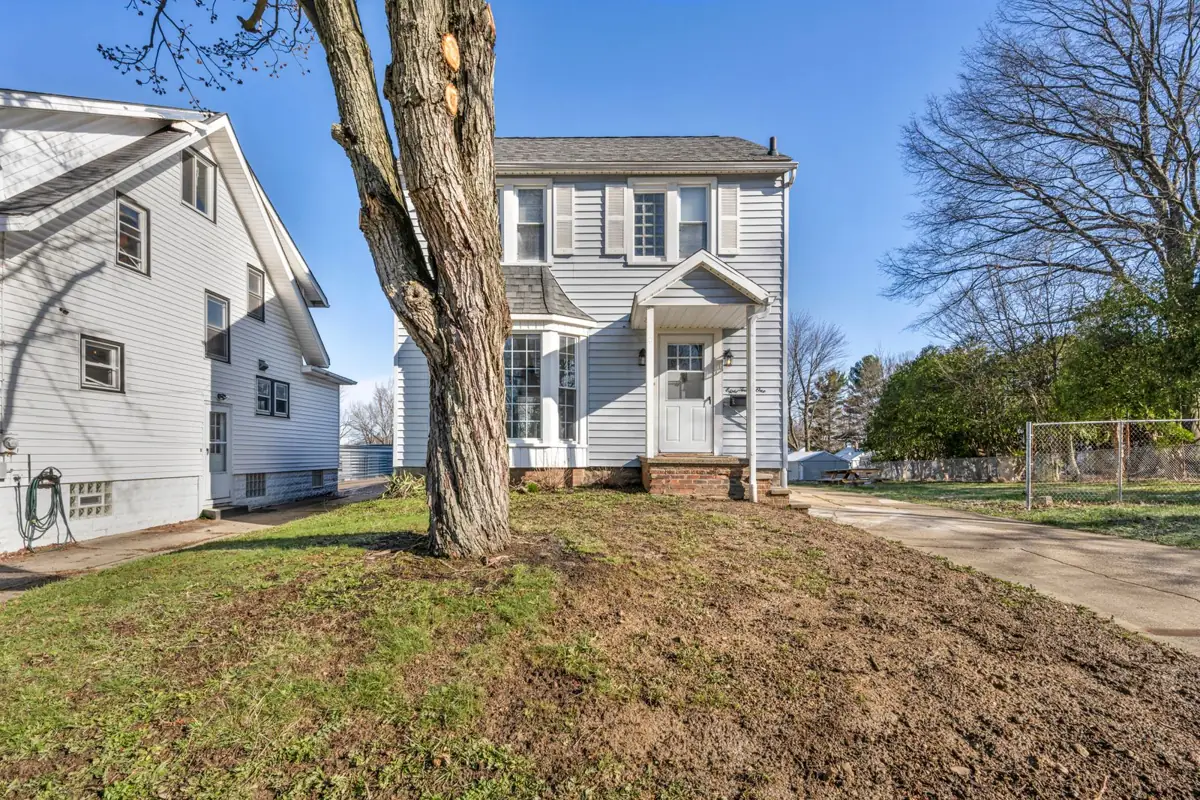
Poland was settled in the late 1790s, with a historic village center along Yellow Creek and a surrounding township that has grown steadily with newer neighborhoods. Wooded lots, ravines and the creek corridor give the area its character, and they also shape how water moves around homes.
Historic village homes
Homes in and near the village include nineteenth and early twentieth century houses with stone and brick foundations. Many have partial basements, cellars under the original section, and crawl spaces under later additions. Common issues include:
- Damp, porous stone walls with softened lime mortar.
- Cellar floors of thin concrete or even packed earth in places.
- Water entering where an old foundation meets a newer addition.
- Humidity drifting from a crawl space into the rest of the house.
Older masonry needs repair methods that suit it. Ask about compatible mortar and drainage approaches. See foundation wall leak repair and crawl space encapsulation.
Township subdivisions
Newer homes in Poland Township often have poured concrete or block basements, many finished. Their common issues are vertical cracks in poured walls, sump pumps working hard in spring, and egress window wells that need better drainage. The basement crack repair and window well drainage pages cover these.
Yellow Creek, ravines and wooded lots
Yellow Creek and its tributaries cut through the area, and many lots back up to ravines or wooded slopes. These features are beautiful but bring water management challenges:
- Homes below a slope can receive both surface runoff and shallow groundwater moving through the soil.
- Mature trees drop leaves that clog gutters and window wells every fall.
- Tree roots can grow into old clay drain tile, blocking it.
- Shaded yards dry out slowly after rain.
Curtain drains uphill of a house, downspout extensions and regular gutter cleaning are common first steps. For persistent seepage, interior drainage or exterior waterproofing may be considered.
Soils and frost
Poland sits on the same slow-draining glacial soils found across the valley. After a snowy winter, water from melting snow often moves through the upper soil toward foundations while the ground below is still cold. Frost cycles can open small cracks in masonry over time.
Questions to think through
- Is water coming from the uphill side of the house?
- Are gutters and window wells clogged with leaves?
- Does the basement have a sump, and when was it last tested?
- Is there a crawl space or cellar section with different conditions?
Services Poland homeowners commonly ask about
- Foundation wall leak repair
- Crawl space encapsulation
- Basement crack repair
- Window well drainage
- Interior drainage
Connect with a Poland specialist
Call to connect with an independent basement waterproofing specialist serving Poland Village and Poland Township.
Historic character and careful repair
Many Poland homeowners value the historic character of their houses. When waterproofing an older foundation, it helps to ask how the work will affect original masonry, whether visible stone will be covered, and how exterior landscaping and walks will be restored. A good plan balances keeping water out with preserving what makes the home special.
Wells and septic on the township edges
Some homes in the outer parts of Poland Township use private wells and septic systems. That affects which sump backup options make sense and where sump water can be discharged. A specialist can help choose a route that keeps water away from the foundation, the well and the septic field.
Spring rain on wooded lots
Shaded, wooded lots dry slowly after spring rain, so the soil around foundations can stay waterlogged longer than on open lots. Keeping gutters clear and extending downspouts beyond planting beds helps the ground near the house dry out between storms.
Nearby areas served
Providers serving Poland often cover neighboring communities as well, including Struthers, Boardman, Campbell, Youngstown.
Questions from Poland homeowners
Why do homes near ravines get wet basements?
Runoff and shallow groundwater moving downhill can collect against foundations, especially in clay soil.
Do tree roots affect drainage?
Roots can enter and block old clay drain tile, which can lead to water building up against walls.
Can a crawl space under an addition affect the basement?
Yes. Humid crawl space air can move into the basement and living areas.