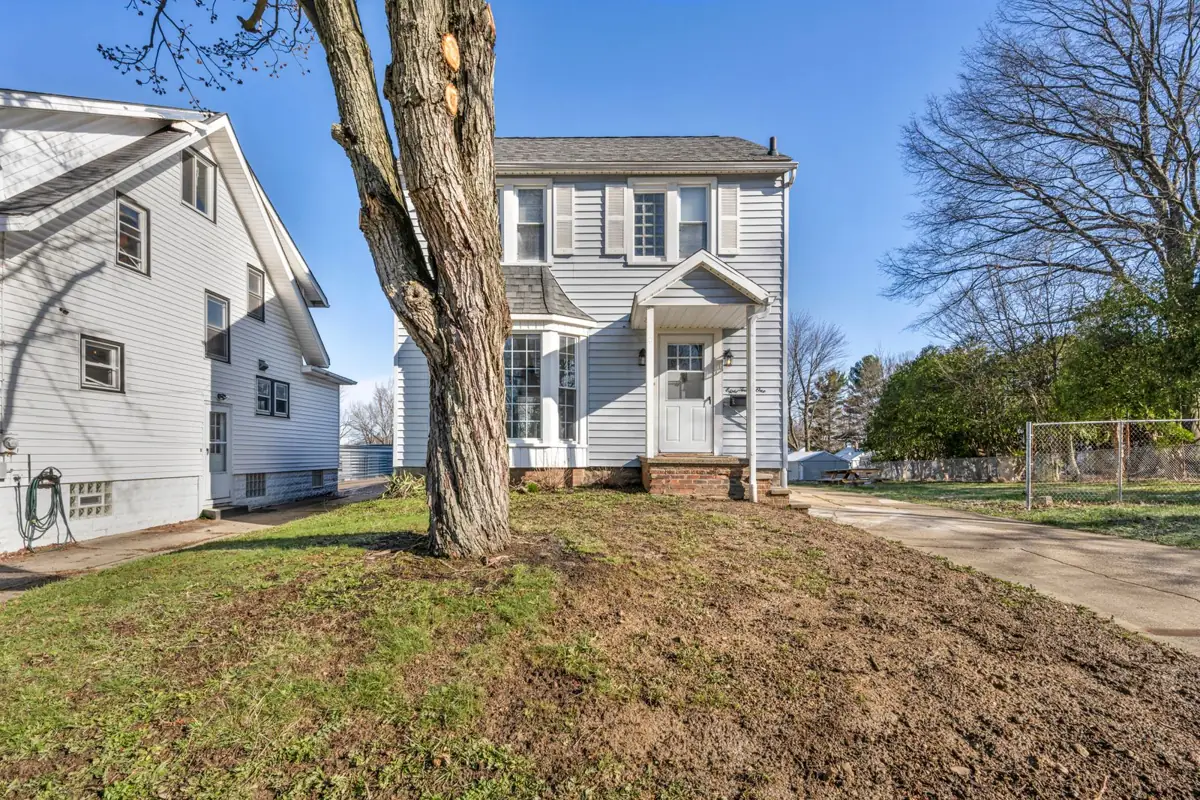
Exterior waterproofing tackles water at the outside face of the foundation, before it can soak into the wall. It is the most invasive approach to a wet basement because it means digging down beside the house, but it is also the only approach that keeps water out of the wall material itself. For some homes in Youngstown, Warren and the surrounding townships it is the best long-term answer. For others, interior drainage combined with better grading does the job with far less disruption.
What exterior waterproofing involves
A typical exterior project follows these steps:
- Utility locating. Ohio law requires contacting OHIO811 before digging so buried gas, electric, water and communication lines can be marked. Allow at least two working days.
- Excavation. Soil is removed along the affected walls down to the footing. Landscaping, walkways and sometimes porches or steps may need to be removed and replaced.
- Cleaning and repair. The wall is cleaned, and cracks or worn block and mortar are repaired.
- Membrane. A waterproof membrane is applied to the outside face of the wall. Options include fluid-applied rubberized coatings and sheet membranes.
- Drainage board. A dimpled plastic or composite board is often installed over the membrane. It protects the coating during backfill and creates a channel for water to fall to the footing.
- Footing drain. Slotted drain pipe wrapped in filter fabric is laid in stone along the footing to carry water to a sump, a storm connection where allowed, or daylight on a sloped lot.
- Backfill and grading. The trench is backfilled, often with more permeable material near the wall, and the soil is graded so the surface slopes away from the house.
Dampproofing is not the same as waterproofing
Many houses built in the late twentieth century received a thin sprayed black coating at construction. That is usually dampproofing, which slows moisture vapor but is not designed to resist water under pressure. If you hear that a house was waterproofed when it was built, it may have only been dampproofed. A true exterior waterproofing system uses a heavier membrane and a drainage layer.
When exterior work makes sense
- A wall needs repair from the outside, for example worn block, a large crack, or a wall being straightened.
- The basement is finished, and the owner prefers not to remove interior walls and flooring.
- The original clay tile footing drain has failed and is causing water to build up against the wall.
- Water is entering high on the wall, at window wells, or through penetrations such as pipes.
- A new addition or major landscape project is happening anyway and the wall is already exposed.
Challenges in the Mahoning Valley
Glacial till and clay soils across the valley are heavy to dig, slow to drain and can be unstable in a deep trench, so safe excavation practices matter. Older neighborhoods in Youngstown, Struthers, Campbell and Girard often have tight lot lines, shared driveways and mature trees close to the house, which limit access for equipment. Wet spring weather can delay projects or make trenches muddy. Ask how the specialist plans to handle trench safety, spoil piles and protection of lawns and driveways.
Exterior versus interior: an honest comparison
Exterior work keeps water off the wall and protects block and mortar from long-term soaking. It is generally more expensive per foot, more disruptive, and weather dependent. Interior drainage handles water after it reaches the wall, and is typically faster to install with less disturbance to the yard. Neither is right for every home. A thorough inspection should consider grading, downspouts, wall type, the condition of any existing drain tile and how the basement is used. See interior drainage and French drains for the alternative.
Start with the simple outside fixes
Before any excavation, look at what water is doing at the surface:
- Gutters should be clean and sized for the roof.
- Downspouts should discharge several feet from the foundation, not at the corner of the house.
- Soil should slope away from the house, not toward it.
- Window wells should drain and have covers where appropriate.
- Patios and driveways should not pitch water toward the foundation.
These changes cost far less than excavation and sometimes solve the problem outright, especially for water that appears only during heavy storms. The guide on common causes of wet basements covers these checks.
Questions to ask
- Which walls need work, and how deep is the excavation?
- What membrane and drainage board will be used?
- Where will the footing drain discharge?
- What will be removed and restored, such as landscaping, walks or steps?
- How is trench safety handled, and how long will the excavation stay open?
- Are permits required by the city or township?
Cost factors
Exterior waterproofing cost depends on the length and depth of wall, soil conditions, access for equipment, what needs to be removed and replaced, the membrane and drainage products chosen, wall repairs, and where the footing drain can discharge. The cost factors guide explains these in more detail.
Timing and seasonal planning
In northeast Ohio, exterior work is usually easiest from late spring through fall, once the ground has thawed and dried. Clay soil that is waterlogged in March and April is heavy, sticky and prone to sloughing into an open trench. Ground that is frozen in January is slow to excavate. If a wall is leaking badly in early spring, a temporary measure such as a downspout extension, a regraded low spot, or a pump in an existing basin can buy time until conditions allow a proper exterior project. Ask the specialist how weather affects the schedule and what happens if rain arrives while the trench is open.
Protecting the work after backfill
The months after exterior work matter. Backfilled soil settles, sometimes several inches, which can create a dip next to the foundation that collects water. Plan to add soil and reseed as the trench settles so the grade keeps sloping away. Keep downspouts extended beyond the backfilled zone and avoid planting beds that hold water against the wall.
Connect with a local specialist
If you are weighing exterior waterproofing for a home in the Mahoning Valley, call to connect with an independent local specialist who can inspect the foundation and walk you through options.
Frequently asked questions
Is exterior waterproofing better than interior drainage?
Not always. Exterior work keeps water off the wall but is more disruptive and costly. Interior drainage manages water inside with less disturbance. The right choice depends on the home.
Do I need to call before digging?
Yes. Ohio requires contacting OHIO811 before excavation so underground utilities can be marked.
Can exterior work be done in winter?
Frozen ground and wet weather make excavation difficult, so many projects are scheduled for drier months. Ask the specialist about timing.
What is the difference between dampproofing and waterproofing?
Dampproofing is a thin coating that slows moisture vapor. Waterproofing uses a heavier membrane designed to resist water under pressure, usually with a drainage layer.