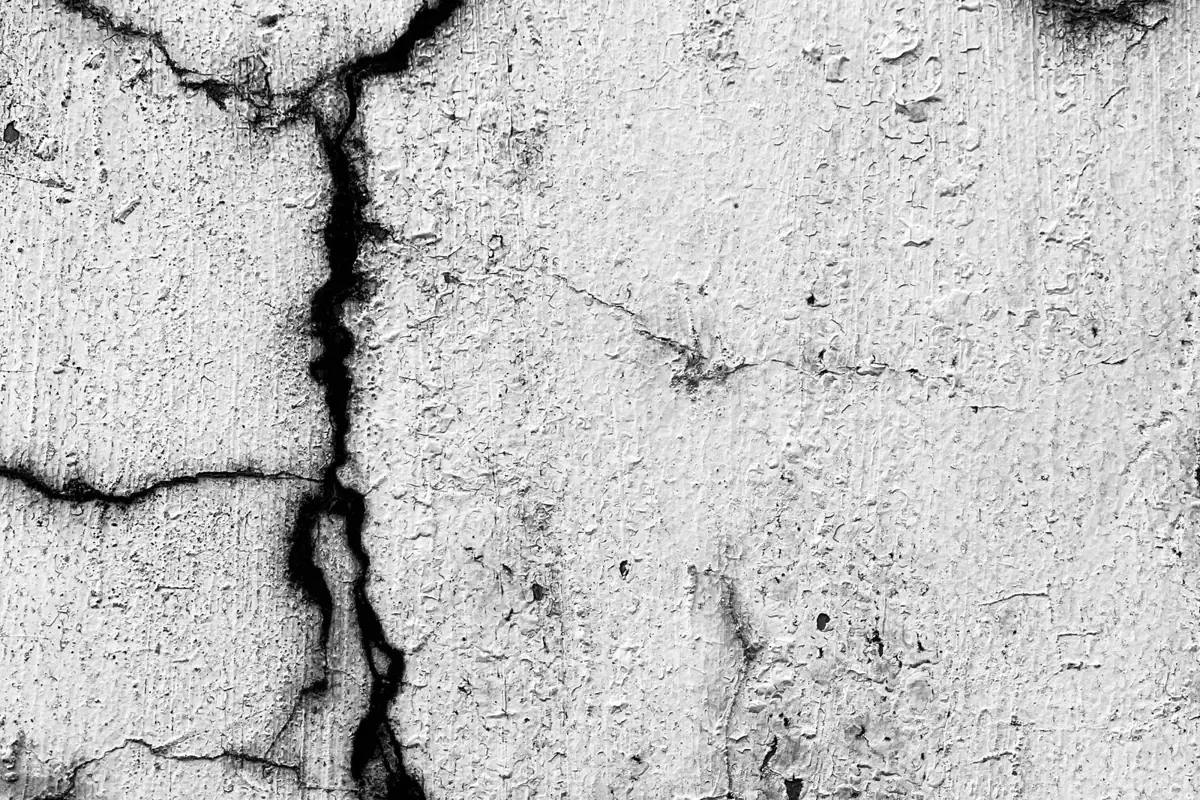
White, chalky or crystal-like deposits on basement walls are common in older Mahoning Valley homes. Many people mistake them for mold. In most cases, the deposit is efflorescence, a mineral residue left behind as water moves through masonry and evaporates. Efflorescence itself is not harmful, but it tells you something important: water is passing through your foundation.
What efflorescence is
Concrete, block, brick, mortar and stone contain soluble salts. When water moves through these materials, it dissolves some of those salts and carries them to the surface. When the water evaporates on the basement side, the salts are left behind as a white or grayish powder or crust.
Where it shows up
- Along the lower courses of block walls.
- In horizontal bands where moisture evaporates most.
- Along cracks and mortar joints.
- On basement floors, especially near walls.
- Behind and under peeling paint.
Efflorescence or mold?
A few simple observations help tell the difference:
- Efflorescence is white or gray, powdery or crystalline, and appears on masonry. It dissolves in water and crumbles when touched.
- Mold can be white, gray, green, black or other colors, often looks fuzzy or slimy, grows on organic materials like wood, paper and drywall, and has a musty smell.
If you are unsure, a drop of water on the deposit can help: efflorescence tends to dissolve, mold does not. Some basements have both, especially where moisture is high.
What it means for your basement
Efflorescence is evidence that moisture is moving through the wall or floor. The amount and location give clues:
- A light, occasional dusting may indicate minor capillary moisture.
- Heavy deposits, especially along the bottom of block walls, suggest significant water movement through the block cores.
- Efflorescence that pushes paint off the wall indicates water trapped behind the coating.
- Deposits along a crack show the crack is carrying water.
Is it harmful?
Efflorescence is mainly a cosmetic issue and a moisture indicator. Over long periods, repeated salt crystallization at or just below the surface can contribute to spalling, where the surface of concrete, brick or block flakes or crumbles. That is more common in older, softer masonry.
Cleaning it
Efflorescence can usually be brushed off with a stiff dry brush. Avoid washing it with large amounts of water, which can carry more salts back into the wall. Some masonry cleaners are designed for efflorescence, but follow manufacturer directions and protect your eyes and skin. Expect it to come back if the moisture source is not addressed.
Addressing the cause
Since efflorescence is a symptom, the solution is reducing moisture moving through the masonry:
- Surface water: fix gutters, downspouts and grading so less water reaches the wall.
- Drainage: for block walls with heavy deposits, interior drainage with weep holes relieves water inside the block.
- Exterior waterproofing: keeps water from entering the wall at all. See exterior waterproofing.
- Humidity control: a dehumidifier reduces moisture in the air but does not stop water moving through walls.
Should you paint over it?
Painting over efflorescence without addressing moisture usually fails. Salts and moisture behind the coating push it off the wall. See waterproofing paint vs drainage systems.
When to get help
If efflorescence is heavy, keeps returning, comes with damp walls or puddles, or is pushing off paint, call to connect with an independent local waterproofing specialist who can identify the moisture source.
This guide is general educational information for homeowners and is not professional engineering or legal advice. Conditions vary by home.